Tag: stone bath mat
Choosing the right bath mat can transform your bathroom experience—balancing safety, aesthetics, and long-term value. Two popular options dominate the market: natural stone bath mats and synthetic PVC bathtub mats. Each offers distinct advantages depending on your priorities. In this comprehensive comparison, we break down the key differences—from material composition and maintenance to safety, durability, and cost—so you can make an informed decision that suits your lifestyle and bathroom design.
Material Differences: Stone’s Moisture-Wicking vs. PVC’s Waterproofing
The most fundamental difference between stone bath mats and PVC bathtub mats lies in their material properties. Stone mats, typically made from natural diatomaceous earth or compressed stone, are highly porous and absorbent. They wick moisture away from your feet and evaporate it quickly, leaving the mat surface dry to the touch within seconds. This natural moisture-wicking capability helps reduce the risk of mold and mildew growth, provided the mat is allowed to air out.
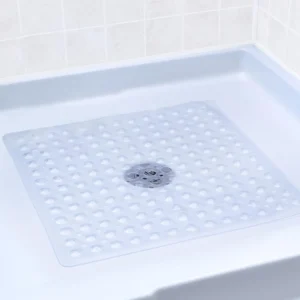
PVC bathtub mats, on the other hand, are synthetic and completely waterproof. They are designed to sit on the floor of your tub or shower, preventing water from seeping through. While they do not absorb moisture, they can trap water between the mat and the tub surface, creating a potential breeding ground for mold if not cleaned regularly. PVC mats are non-porous, so they do not dry out as quickly as stone mats, but they excel at keeping your bathroom floor dry by confining water to the tub area.
Stone Bath Mats: Natural Absorbency
Stone bath mats are celebrated for their rapid drying properties. The porous structure of diatomaceous earth absorbs water instantly, pulling moisture away from your feet and into the mat. This makes them ideal for use outside the shower or tub, where you step onto a dry, clean surface. However, because they are absorbent, they can become less effective if saturated repeatedly without proper drying time between uses.
PVC Bathtub Mats: Synthetic Waterproofing
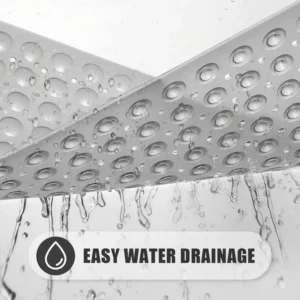
PVC mats are engineered to be impervious to water. They are often used inside the tub or shower to provide a non-slip surface for standing. Their waterproof nature means they do not absorb any moisture, so they can be rinsed and dried quickly. However, the lack of absorbency means that water can pool on top of the mat, requiring you to shake it off or squeegee it after use to keep the surface dry.
Maintenance: Stone Requires Sealing, PVC Is Easy to Clean
Maintenance requirements differ significantly between stone and PVC mats, affecting long-term care and convenience. Stone bath mats need periodic sealing to maintain their moisture-wicking ability and prevent stains. Without sealing, the porous surface can absorb soap scum, hard water minerals, and dirt, leading to discoloration and reduced performance. Cleaning a stone mat typically involves gentle scrubbing with a mild detergent and water, and allowing it to air dry completely.
PVC bathtub mats are remarkably low-maintenance. They can be wiped down with a damp cloth or sprayed with a cleaner, and they resist staining from soap and hard water. Because they are non-porous, they do not require sealing or special treatments. However, PVC mats can develop mold or mildew on the underside if not allowed to dry between uses, so regular cleaning and airing out are essential to prevent buildup.
Stone Bath Mat Care Tips
- Seal the mat every 6-12 months with a natural stone sealer to preserve absorbency.
- Clean with a soft brush and mild soap; avoid harsh chemicals that can damage the stone.
- Allow the mat to air dry after each use, preferably in a well-ventilated area.
- Store upright or on a rack to promote airflow underneath.
PVC Bathtub Mat Care Tips
- Rinse after each use to remove soap residue and prevent slime.
- Hang to dry or place on a drying rack to prevent moisture entrapment.
- Occasionally wash with a bleach solution or disinfectant to kill mold spores.
- Replace if suction cups wear out or the mat becomes brittle.
Safety: PVC’s Grip vs. Stone’s Stability
Safety is a top priority in any bathroom, especially for households with children, elderly members, or anyone with mobility concerns. PVC bathtub mats are designed with suction cups or textured surfaces that provide excellent grip on wet tub or shower floors. This makes them highly effective at preventing slips while standing in the shower or bath. However, the suction cups can lose their grip over time as they wear or accumulate soap scum, requiring replacement.
Stone bath mats offer a different kind of safety advantage. Because they are heavy and non-slip on the floor (the bottom is often coated with rubber or cork), they stay firmly in place outside the tub. They do not slide around, reducing tripping hazards when stepping out of the shower. Stone mats do not rely on suction, so they maintain their stability for years. However, they are not designed for use inside the tub, so they cannot prevent slips during bathing.
When to Choose PVC for Safety
If your primary concern is preventing slips while showering or bathing, a PVC bathtub mat with strong suction cups is the better choice. Look for mats with dense, evenly spaced suction cups and non-slip texture on the top surface. Replace the mat at the first sign of reduced grip.
When to Choose Stone for Safety
If you want a stable, nonslip surface outside the shower—where wet feet meet the floor—a stone bath mat is ideal. Its weight and bottom grip prevent movement, and its quick-drying nature means the surface remains slip-resistant even after multiple uses.
Durability and Longevity
Durability is a key factor in the long-term value of your bath mat investment. Stone bath mats, made from natural materials, are exceptionally durable. They resist cracking, warping, and degradation from moisture, and with proper care (including periodic sealing), they can last for many years. Stone mats do not degrade under UV light or heat, making them suitable for bathrooms with windows or radiant heating. However, they can chip or break if dropped on a hard surface.
PVC bathtub mats have a shorter lifespan, typically lasting 6-12 months with regular use. The PVC material can become brittle and crack over time, especially when exposed to harsh cleaners, heat, or direct sunlight. The suction cups degrade and lose their grip, and the mat may develop mold stains that are difficult to remove. While PVC mats are inexpensive to replace, their disposable nature contributes to waste and ongoing costs.
Stone Bath Mats: Built to Last
Investing in a high-quality stone bath mat can offer years of reliable service. The material is naturally resistant to wear and tear, and the mat does not need to be replaced frequently. This makes stone mats a sustainable choice for environmentally conscious consumers.
PVC Bathtub Mats: Short-Term Solution
PVC mats are a budget-friendly option that serves a specific purpose—temporary slip prevention. They are not designed for long-term use and will need regular replacement. If you prioritize low upfront cost and easy replacement, PVC may suit your needs.
Cost Comparison
Price is often a deciding factor. Stone bath mats typically range from $30 to $80, depending on size, thickness, and brand. Their higher upfront cost is offset by their longevity—often lasting several years with proper maintenance. In contrast, PVC bathtub mats are much cheaper, usually costing between $5 and $20. However, because they need replacement every 6-12 months, the cumulative cost over time can approach or exceed that of a stone mat.
For example, a $50 stone mat that lasts five years costs $10 per year. A $10 PVC mat replaced twice a year costs $20 per year—and that doesn’t account for the environmental impact of frequent disposal. When evaluating cost, consider the total cost of ownership rather than just the purchase price.
Frequently Asked Questions
Can I use a stone bath mat inside the shower?
No, stone bath mats are designed for use outside the shower or tub. They are not slip-resistant when submerged and can become slippery. Use a PVC mat inside the tub for safety.
How often should I seal my stone bath mat?
Seal your stone mat every 6-12 months, or whenever you notice water no longer beads on the surface. Regular sealing maintains its moisture-wicking performance.
Are PVC bath mats safe for all tub surfaces?
PVC mats with suction cups work best on smooth, non-porous surfaces like acrylic, fiberglass, or porcelain. They may not adhere well to textured or slip-resistant tub floors.
Which mat is more eco-friendly?
Stone bath mats are generally more eco-friendly due to their natural materials and long lifespan. PVC mats are petroleum-based and contribute to plastic waste when disposed of.
Can I machine wash a stone bath mat?
No, stone bath mats should not be machine washed. Clean them by hand with a mild detergent and water, then air dry thoroughly.
Conclusion: Making the Right Choice for Your Bathroom
Both stone bath mats and PVC bathtub mats serve important roles in the bathroom, but they cater to different needs. If you value natural aesthetics, moisture-wicking performance, and long-term durability, a stone bath mat is the superior choice for your bathroom. It provides a dry, clean surface outside the shower and enhances your space with a touch of nature. On the other hand, if your priority is slip prevention inside the tub and you prefer a low-cost, easy-to-replace option, a PVC bathtub mat is a practical solution.
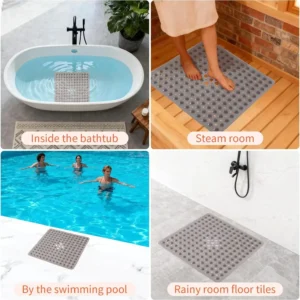
For most households, combining both types of mats offers the best of both worlds: a PVC mat inside the shower for safety, and a stone bath mat outside for comfort and style. Whichever you choose, prioritize quality and proper maintenance to ensure your bathroom remains safe, beautiful, and functional for years to come.
Ready to upgrade your bathroom? Explore our collection of premium stone bath mats designed for lasting performance and timeless elegance.
